
Expert Witness · Fiduciary Governance & Compensation Oversight
Jose Luis
Pacheco
I help trustees, counsel, and families govern fiduciary pay decisions — and document them so they stand.
“I evaluate whether fiduciary compensation decisions were developed, reviewed, documented, and monitored through governance practices appropriate to a self-interested decision-maker.”
My lane is the governance of the decision — duties, distinct roles, delegation, double-counting, approval practices, and documentation. Whether a breach occurred is for the court.
What this practice does
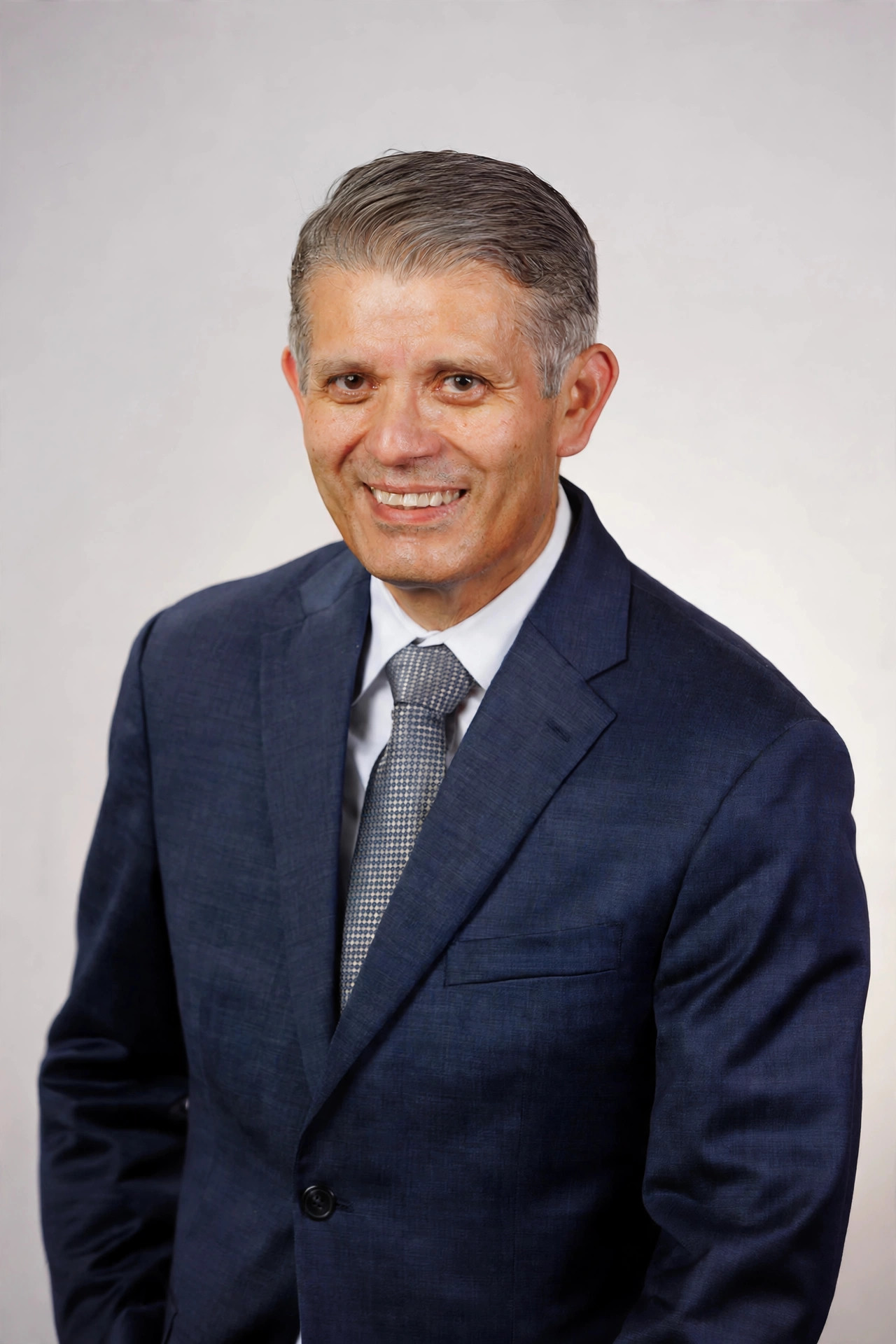
DutyBound Advisory is the fiduciary governance practice of Jose Luis Pacheco — helping trustees and fiduciaries learn their duties, make decisions the right way, and document them so the decisions stand.
Three kinds of work. All of them ask the same question: was the pay decision governed well?
Reasonable compensation studies
For trust-owned entities and family offices — a structured review of how compensation was set, who approved it, what it was compared against, and how it was documented.
Fiduciary compensation benchmarking
Governance-focused benchmarking review: what comparisons were used, whether they fit the role, and whether the same pay was counted twice under different labels.
Expert-witness support in compensation disputes
Independent analysis and testimony on governance practice — the process behind the pay decision — for counsel in fiduciary and trust matters.
Start with a conflict screen.
Start with a conflict screen →
Areas of opinion offered
Opinions are offered on governance practice — how decisions were made, reviewed, and recorded.
Method — California framework first
First the California rules. Then the record. Then a secondary federal check — never the other way around.
Who wore which hat, and were the hats kept distinct?
What document gave the decision-maker the power to act?
What was written down at the time of the decision?
What comparisons were used, and did they fit this role?
Was the reviewer independent of the person being paid?
Was the same work or pay counted more than once?
Who approved, in what form, and with what information?
What was delegated, to whom, and with what limits?
What checks continued after approval was given?
Boundaries — stated plainly
This honesty is part of the practice. If a question needs a different specialist, I will say so.
What I do not offer
These limits protect the work — and the people who rely on it.
- ✕No legal conclusions or breach determinations
- ✕No exact market-salary figures for specialized roles without a qualified compensation / valuation specialist
- ✕No IRC §162 opinions and no CVA / ABV valuations
- ✕No tax advice
- ✕No investment performance opinions
- ✕No work involving CalPERS — no appearances or communications before CalPERS, no CalPERS contract assistance, no placement-agent services, and no matter I participated in as a Board member
Whether a breach occurred is for the court. My work is the governance record the court can weigh.
Background
Governance work at scale — pension oversight, credit-union board service, and earlier work in damages analysis and underwriting.
Jan 15, 2026
CalPERS Board of Administration — Elected Member-at-Large
Board member for a pension system of roughly $600 billion serving 2.4 million members.
Feb 20, 2024
Chair — Performance, Compensation & Talent Management Committee, CalPERS
Chaired the committee responsible for executive performance and compensation oversight.
2024
Vice Chair — Pension & Health Benefits Committee, CalPERS
Vice chair of the committee overseeing pension and health benefits policy.
2025
Vice Chair — Mirastar Federal Credit Union Board
Board vice chair for a federal credit union with over $1 billion in assets.
Forensic Economist — Robert W. Johnson & Associates
Written damages analyses in forensic economics work.
Group Health Underwriter — Aon
Group health underwriting — risk, pricing, and documentation discipline.
Technology Catalyst — Falls Church, Virginia
Economics analysis and technology-catalysts analysis work.
U.S. Senate Committee on Health, Education, Labor and Pensions — Washington, DC
Minority staff on the HELP Committee under the late Senator Edward M. Kennedy. Economics and policy analysis work, including an authored SBIR (Small Business Innovation Research) policy paper written for policy-level readers.
Education
BS Economics
Santa Clara University
Certificate in Accounting (CAAP)
Santa Clara University
BS Biological Sciences
California State University, East Bay
Graduate Education in Medical Sciences (GEMS) certificate
Georgetown University
2007
Medical preclinical studies and coursework
University of Wisconsin–Madison
Labor leadership
- President, CSEA Chapter 363 (San Jose–Evergreen) — 2021–2022
- Immediate Past President, CSEA Chapter 363 — 2023–2024
- Voting Delegate, South Bay AFL-CIO Labor Council — 2019–2023
Certificates
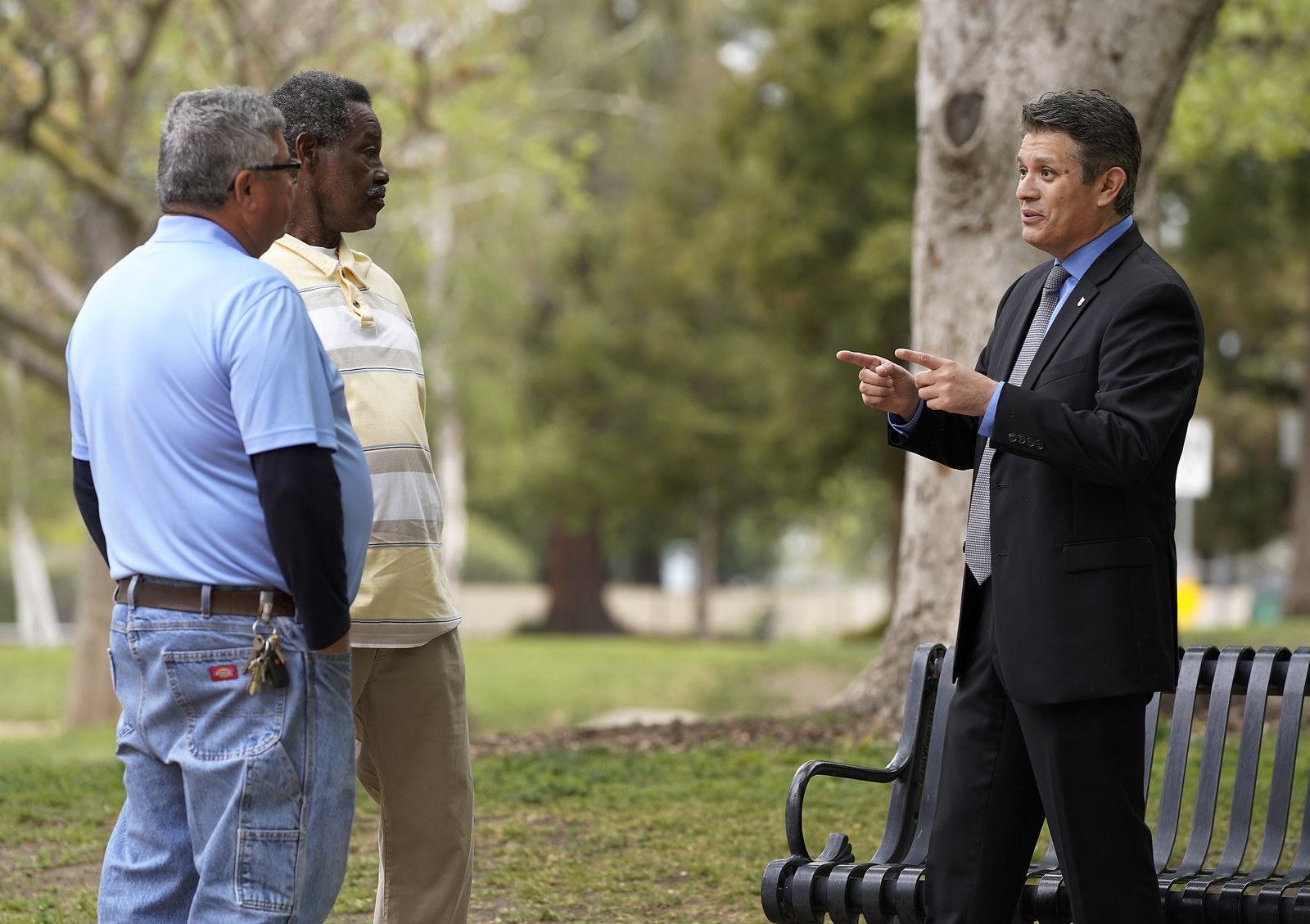
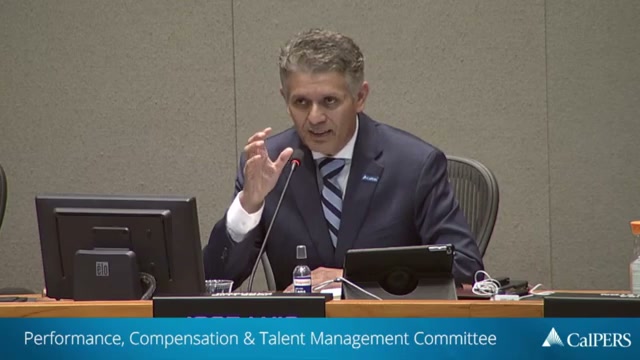
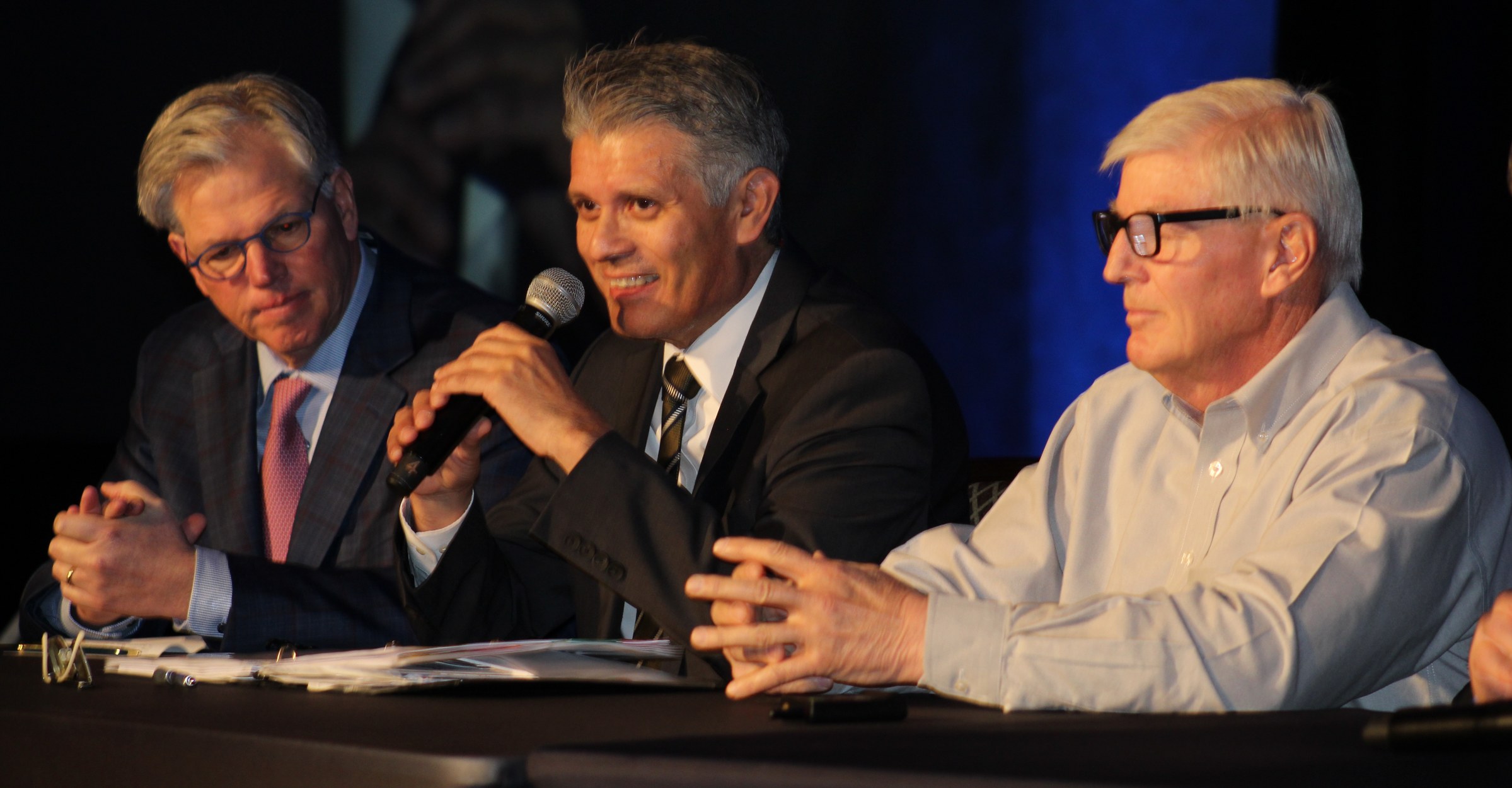
Jose Luis has served honorably on the CalPERS Board of Administration since 2022… During his tenure, Jose Luis has devoted himself to his Board responsibilities, including service as Chair of the Performance, Compensation and Talent Management Committee, and Vice Chair of Pension Health and Benefits Committee.
Start with a conflict screen.
Start with a conflict screen →How an engagement begins
Three steps, in this order. Nothing moves to the next step until the one before it is done.
Conflict screen
Parties, entities, and roles are checked for conflicts. This happens first, before substantive discussion.
NDA
A non-disclosure agreement is put in place so records and discussions stay confidential.
Records review
Minutes, approvals, benchmarking materials, delegation documents, and monitoring records are reviewed.
DutyBound Advisory “Bound to the standard.”
Start with the
conflict screen.
Call or email with the parties and entities involved. That is all the first step needs.
Campbell, California